Introduction
Have you ever noticed how a messy room can leave you feeling restless, while a clean, organised space seems to bring a sense of calm? This reaction is not accidental. Your home environment has a powerful and direct effect on your mental and emotional well-being.
In fast-paced cities like Lagos, Abuja, and Port Harcourt, where daily life can be overwhelming, your home should serve as a true place of relief—not an additional source of stress.
1. Clutter Creates Mental Overload
When your space is filled with clutter, your brain has to work harder to process everything it sees. This constant visual competition makes it difficult to focus, relax, and unwind.
The solution is simpler than you might think. By reducing excess items and introducing smart storage options like decorative baskets, shelves, or organisers, you can clear the visual noise while keeping essentials within reach. When your surroundings are orderly, your mind naturally follows suit and begins to slow down.
2. Colour Psychology in the Nigerian Home
The colours you choose for your home do more than just fill a room—they influence how you feel. Many people underestimate just how powerful colour can be.
Soft blues, greens, and neutral tones are known to promote rest and relaxation, making them ideal for bedrooms where calm is essential. On the other hand, warm yellows and oranges encourage creativity and joy, which is why they work so well in kitchens and dining areas where families gather. If you are looking for warmth and stability, earthy tones like browns and terracotta can create a grounding effect that makes a room feel safe and welcoming. Choosing the right colours is a simple way to support emotional balance every day.
3. Bringing Nature Indoors
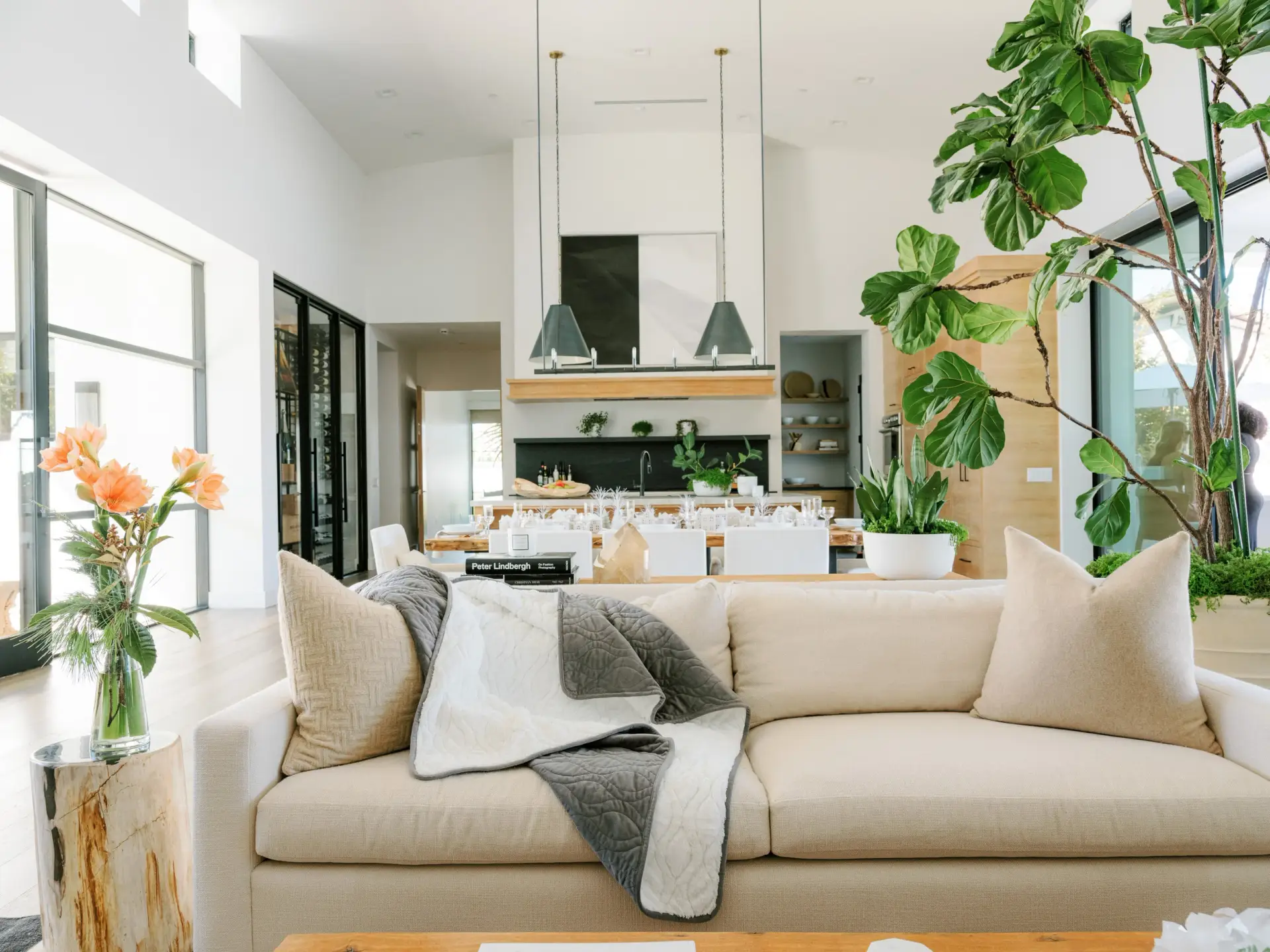
There is something naturally soothing about being around greenery. Humans respond positively to nature, and when outdoor green spaces are limited—as they often are in urban areas—bringing plants indoors becomes even more important.
Beyond their beauty, indoor plants offer real mental benefits. Greenery has been shown to reduce stress and improve overall mood. For busy households, low-maintenance options like snake plants or aloe vera are ideal. They require little attention, thrive in various conditions, and have the added benefit of purifying the air. Caring for a living thing, even a simple plant, adds a small but meaningful sense of calm and purpose to daily life.
4. Personalisation Builds Emotional Comfort
A home that lacks personal touches can feel cold, temporary, and disconnected from who you are. When you surround yourself with items that carry meaning, your space begins to feel like your own.
Displaying family photos, artwork you love, or souvenirs from places you have visited adds warmth and tells your story. A simple gallery wall or a shelf dedicated to cherished items reinforces your identity and creates a sense of belonging. These personal touches encourage emotional security, reminding you that you are exactly where you belong.
Conclusion
Your home is more than just a roof over your head. It is an everyday wellness tool that works for you whether you realise it or not. When you keep it clean, thoughtfully designed, and deeply personal, you create an environment that actively supports your mental health. A home like this helps you feel grounded, calm, and truly at ease.